
A single wrong count can wreck a clean shipping day.
You greenlight a promo, ads go live, orders roll in, and then the warehouse runs out of the item your system swore was sitting on the shelf. Support tickets stack up. Backorder emails go out. Your team gets stuck explaining something you thought you solved months ago.
Inventory accuracy in a 3PL warehouse decides whether orders ship cleanly or turn into cancellations, late shipments, and “where is my order” noise.
What Inventory Accuracy Really Means in a 3PL
Inventory accuracy means one thing. The number in your system matches what a picker can grab right now. Same SKU, right location, sellable condition.
When that breaks, everything gets louder:
- Your store sells stock that is not there, then you cancel or backorder
- Pickers hunt for product that should be easy to find
- Orders ship late, or ship wrong, when teams rush to recover
- Retail deliveries miss windows and invite chargebacks
- Support volume climbs and trust drops
Accuracy usually falls apart in three places: the first count at receiving, everyday movement around the warehouse, and quick count edits made to keep orders moving.
How Inventory Goes Wrong Inside a 3PL
Most issues start small. A busy day creates a shortcut. The shortcut becomes normal. Then the system drifts.
Receiving Errors
Labels get trusted instead of counts. Scans get skipped. Lots get mixed because there is no space on the dock. Shorts and overs get parked for later. That is how bad numbers enter the system on day one.
Putaway and Location Drift
A pallet gets set down “for a minute.” That minute turns into days. Extra units get slid into the nearest open spot. Similar items end up side by side. Picks turn into guesses.
Count Edits That Hide The Real Problem
Too many people can change inventory. The reason code is vague. The number is adjusted to clear orders. The same mismatch shows up again next week because nothing upstream changed.
Returns That Recontaminate Stock
Returns look fine at a glance, so they get restocked fast. One bad unit slips into sellable inventory. Then you deal with the second hit: refunds, replacements, and a frustrated customer who already waited once.
Damage and Shrink Ignored
Broken cases, missing units, and “mystery loss” get treated as normal. If nobody tracks what happened and why, nothing improves.
Controls That Keep Inventory Accurate When Volume Spikes
Controls work best when they are boring. Clear steps. Same steps. Every time.
Receiving Controls
Receiving is where truth starts. A strong process makes it hard to enter the wrong number. Look for:
- Scan-based receiving, not manual typing
- Clear unit rules so cases, eaches, and pallets never get mixed up
- Putaway confirmed by scan so the system knows the real location
- A simple, documented way to handle shorts, overs, and damage
- A clear point when inventory becomes available to sell, and who approves it
The goal is not “it is in the building.” The goal is “it is counted and it is placed where the system says it is.”
Movement Controls
This is where good receiving gets undone. Daily moves, replenishment, and quick transfers are the quiet killers. Look for:
- Scans required when product moves
- Location labels that are easy to read and hard to confuse
- Rules that separate lookalike items
- Dedicated hold space for unknowns, damage, and returns
If a product can move without being recorded, accuracy will drift. It is not a question of if, it is when.
Cycle Counting
Annual counts are a history lesson. Cycle counting is prevention. A strong cycle count program:
- Counts more often where it matters: fast movers and high value SKUs
- Triggers extra counts after issues like repeat shorts or mispicks
- Assigns an owner to investigate mismatches, not just update the number
- Requires recounts when the gap is bigger than a set threshold
- Captures notes on what caused the error so it does not repeat
The win is not a corrected number. The win is fewer surprises next week.
Inventory change controls
Inventory adjustments are normal. Casual adjustments are dangerous. Look for:
- Limited access to count changes
- Approvals for larger adjustments
- Clear reason codes that explain what happened
- A history log that makes changes easy to audit
- Tight limits on manual edits outside defined situations
If the warehouse leans on edits, it usually means a process upstream is leaking.
Returns Controls
Returns should never touch sellable inventory until they are cleared. Look for:
- Condition checks at intake
- Clear decisions: restock, hold, repair, scrap
- Physical separation until inspection is complete
- Return trends feeding improvements, like packaging changes or pick checks
If the rule is “it looks fine,” you will eventually ship a bad unit. If you want, paste the next section of the post and I will rewrite it in the same tighter, more conversational flow.
How to Verify Inventory Accuracy Controls
You do not need to walk the floor to spot a risky operation. You need answers that describe a repeatable process you can picture, especially around receiving, movement, counting, and returns. Scanning and regular cycle counts are widely used because they reduce manual errors and catch drift early.
Questions to ask a Canada 3PL:
Receiving and Putaway
- What gets scanned when inventory arrives?
- Where are scans required: receiving, putaway, both?
- How do you handle shorts, overs, and damaged cartons?
- When is inbound inventory allowed to sell, and who signs off?
Movement Inside the Warehouse
- What triggers replenishment?
- How is replenishment confirmed?
- What stops product from being parked “for now” and forgotten?
- How do you keep similar looking SKUs from being stored or picked together?
Cycle Counts
- How often do you cycle count?
- What gets counted more often, and why?
- When a count is off, who owns the investigation?
- When do you recount or pause picks on a SKU?
Inventory Changes
- Who can change counts?
- What reasons are allowed?
- What extra checks exist for large changes or repeat changes?
- How do you stop edits from masking the real issue?
Returns and Damage
- Where do returns go first?
- What checks happen before anything is restocked?
- How do you keep returns and damaged goods out of sellable stock?
- How do you handle lot, expiry, or serial tracked items?
Reporting
- How do you report accuracy, and how often?
- What do you report when accuracy causes late shipments or cancellations?
- If a SKU oversells today, what do you check first?
What you are listening for is simple: clear steps, clear ownership, and clear triggers. If the answers sound like “it depends” with no specifics, accuracy will drift when volume spikes.
Why QRC Logistics is a Strong Fit When Accuracy and Timing Matter
Inventory accuracy is not a warehouse number. It is the difference between a clean promo week and a week of cancellations, backorders, and apology emails.
We are built for time-sensitive distribution and fulfillment, with warehousing and pick and pack designed around tight daily cutoffs.
Three reasons companies choose us when stockouts and oversells are not an option:
Tight Security Controls
Restricted access and 24 hour surveillance help keep product where it belongs and handled correctly. We are also a PIP certified facility with Canada Customs, which supports a more controlled approach for higher-value inventory and tighter requirements.
Clear Shipment Visibility
When something does not scan, does not arrive, or does not deliver, you need clarity fast. We support shipment tracking and proof of delivery options, so your team spends less time chasing updates and more time fixing exceptions.
Built for Surge Volume
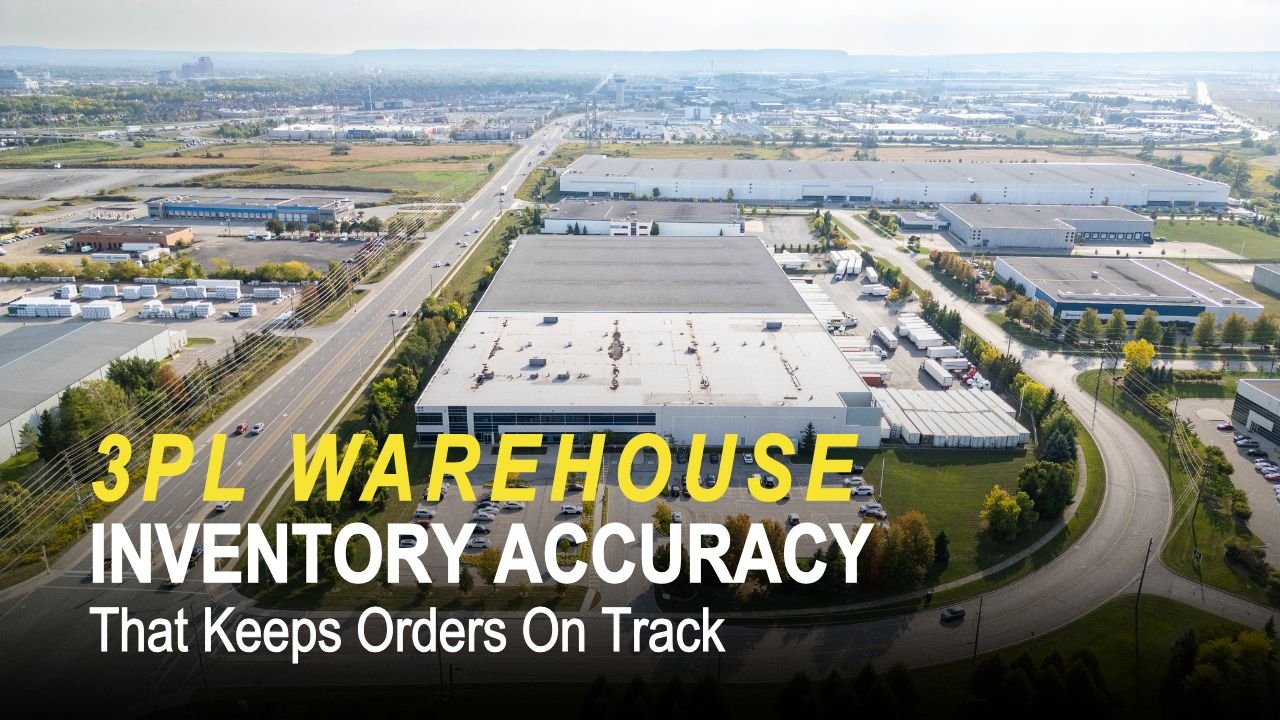
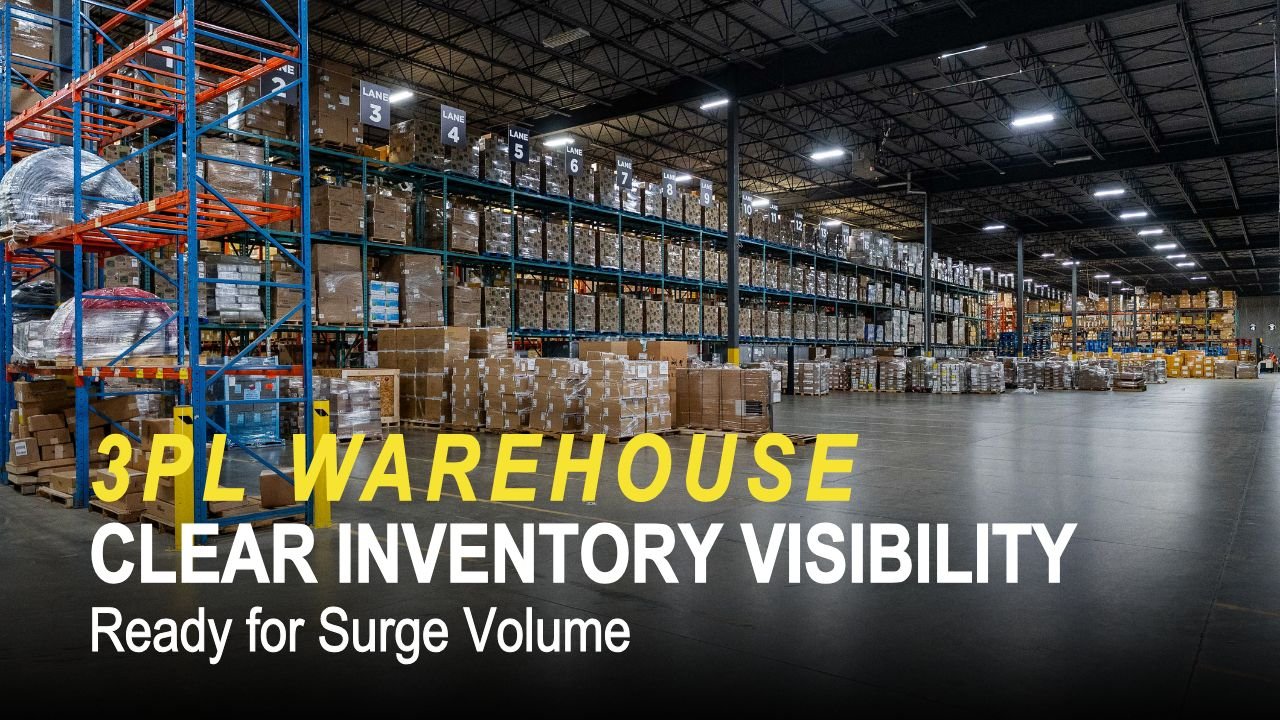
We operate from a 300,000 sq. ft. secure facility in Halton Hills near Toronto Pearson and major highways. That setup helps inbound stay steady and outbound stay fast when volume spikes.
If you want accuracy that holds under pressure, you need controls that stay consistent when the week gets messy. That is the standard we build around.
Tell us about your SKU profile, inbound patterns, and where oversells tend to show up. We will walk you through the controls that protect accuracy and the proof you should request, so you can choose a Canada 3PL partner with clarity.