Turn Canada-wide delivery from guesswork into a repeatable play. Start in Ontario, add Quebec, then expand east and west with scheduled linehaul, tight cutoffs, and consistent POD so you hit appointments and keep customers happy.
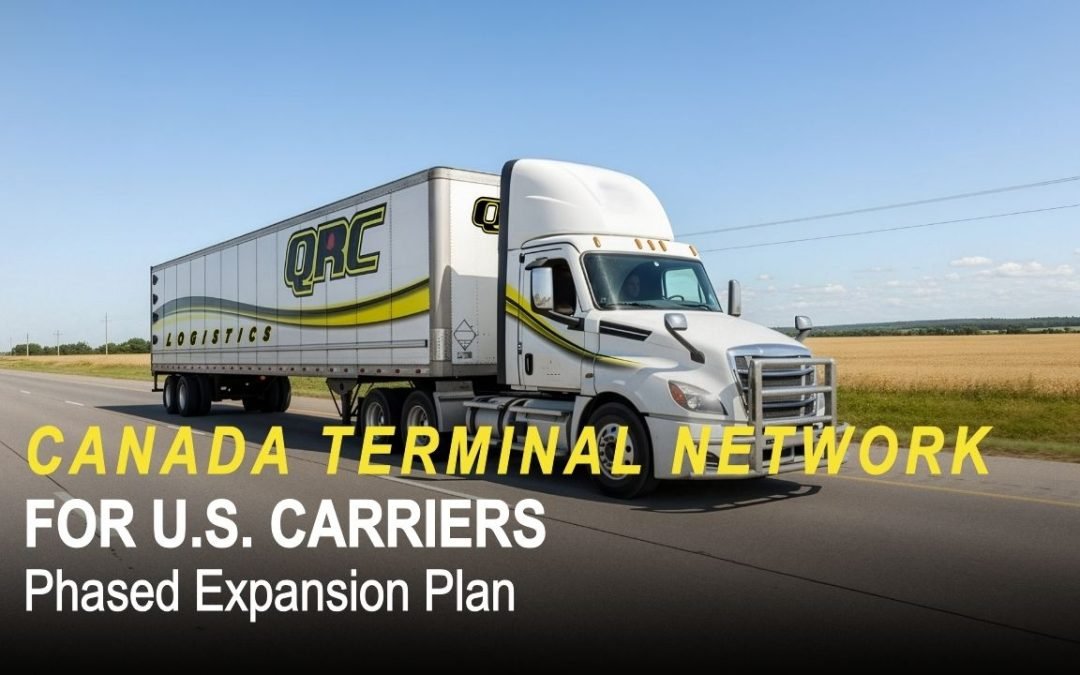
Turn Canada-wide delivery from guesswork into a repeatable play. Start in Ontario, add Quebec, then expand east and west with scheduled linehaul, tight cutoffs, and consistent POD so you hit appointments and keep customers happy.
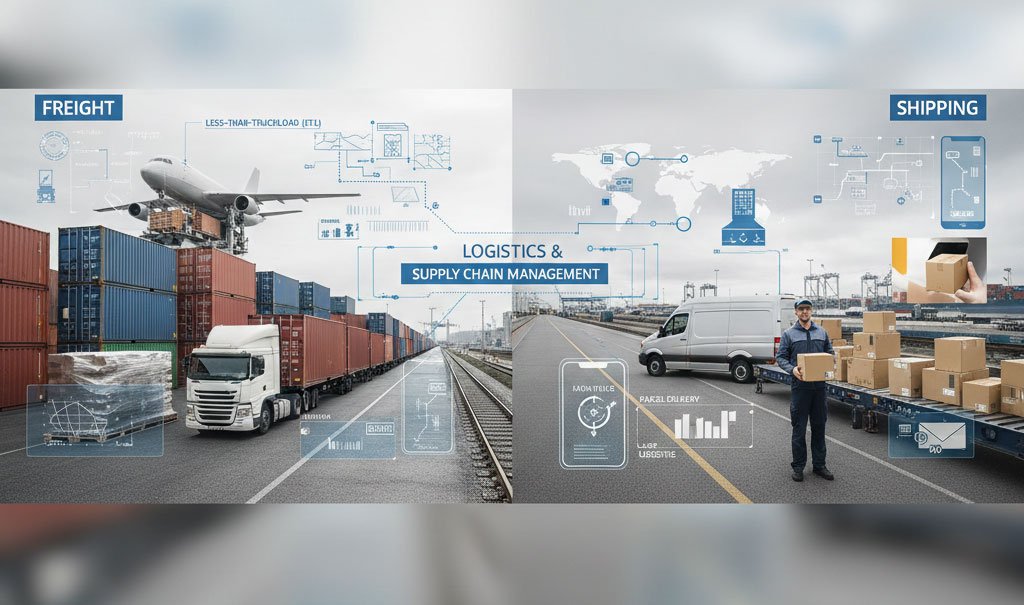
What does freight shipping mean? Freight and shipping are often used interchangeably, but there is an important distinction between the two. Understanding the difference helps businesses and individuals choose the right logistics solution for their needs. This article...

Freight charges can be a significant financial strain for businesses, making them feel like they are being weighed down. To cut down on expenses, many businesses are searching for ways to reduce their freight costs. Fortunately, there is a plethora of strategies...
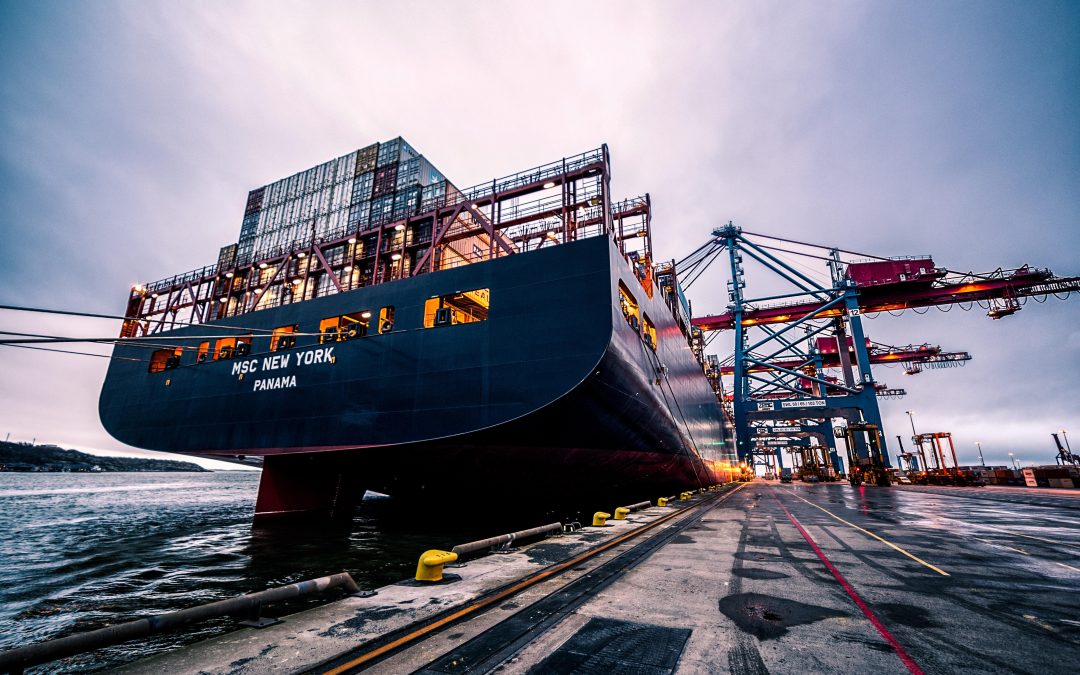
Wondering what is freight management? Freight management is the process of optimizing a freight transportation network to control costs, reduce risk and improve efficiency. It involves planning, organizing, and monitoring the movement of goods within a supply chain in...